Preventive Dental Care for Your Family
Cleanings every 6 months
Cleanings every 6 months
Cleanings every 6 months

Regular dental cleanings are one of the most important steps you can take to protect your smiles and your overall health. Even with excellent brushing and flossing at home, plaque and tartar can build up in areas that are difficult to reach. That is why we recommend professional dental cleanings every six months. The ADA recommends this because plaque can harden into tartar within 24-72 hours. Once tartar forms it cannot be removed with brushing alone and must be professionally cleaned.
Routine cleanings include a comprehensive exam, allowing us to identify concerns like cavities, cracked teeth, or early infections before they become painful or costly. Professional cleanings also remove surface stains cause by cofee, tea, wine and everyday foods. After your visit, your teeth will feel smoother, look brighter, and your breath will be fresher.
Every patient is different. Whle six months is idal for most peole, some patients with peridontal concerns may benefit from more frequent visits. We tailor you cleaning schedule to your specific needs to ensure long-term oral health.
X-rays
Cleanings every 6 months
Cleanings every 6 months
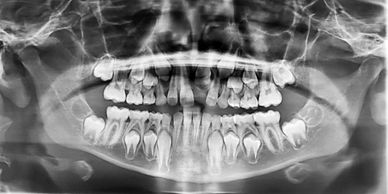
Dental X-rays are safe essential and part of comprehensive care. As dentists, we can see the surfaces of your theeth and gums during a clinical exam, x-rays allow us to see what's happening beneath the surface-where many problems begin.
Dental x-rays help us detect issues that cannot be seen with the naked eye:
- cavities between teeth
- bone loss realted to gu disease
- infections at the root of a tooth
- impacted or developing teeth
- cracks or fractures
- cysts or other abnormalities
early detection allows for smaller, less invasive, and more affordable treatment.
Modern dental X-rays are significantly safer than those taken decades ago. With advanced digital imaging technology:
- Radiation exposure is reduced by up to 80–90% compared to traditional film X-rays
- Images are captured instantly
- The process is faster and more comfortable
In fact, the amount of radiation from routine dental X-rays is extremely small—often comparable to the natural background radiation you’re exposed to in daily life
Are Dental X-Rays Safe During Pregnancy?
Yes. Dental X-rays are considered safe during pregnancy when necessary. The radiation dose from dental imaging is extremely low and focused only on the mouth area—not the abdomen.
According to professional guidelines, necessary dental X-rays should not be postponed due to pregnancy, especially if there is pain, infection, or concern that requires diagnosis. Untreated dental infections can pose greater risks than the minimal exposure from modern X-rays.
If you are pregnant, simply inform our team so we can take any additional precautions and ensure your comfort.
What About Breastfeeding?
Dental X-rays are completely safe for breastfeeding mothers. Radiation does not remain in the body or pass into breast milk. There is no need to “pump and dump” after dental imaging. This is one of the most common myths about dental radiation—and we’re here to reassure you that it is not necessary.
Fluoride
Cleanings every 6 months
Fluoride

Fluoride is one of the most effective and well-researched tools in preventive dentistry. During your regular dental visits, a professional fluoride treatment can strengthen your teeth, reduce your risk of cavities, and help protect your smile for the long term.
What Is Fluoride?
Fluoride is a naturally occurring mineral found in water, soil, and certain foods. In dentistry, fluoride is used to strengthen tooth enamel—the protective outer layer of your teeth.
When applied during your dental visit, fluoride:
- Remineralizes weakened enamel
- Helps reverse early signs of tooth decay
- Makes teeth more resistant to acid attacks from bacteria and sugars
- Reduces cavity risk in both children and adults
Professional fluoride treatments are stronger and more concentrated than over-the-counter toothpaste or rinses. They are safely applied as a varnish, gel, or foam and take only minutes to complete.
Is Fluoride Safe?
Yes. Fluoride has been extensively studied for decades and is considered safe and effective when used appropriately. Organizations such as the American Dental Association and the Centers for Disease Control and Prevention strongly support the use of fluoride in dentistry due to its proven role in preventing tooth decay.
The amount used during professional treatments is carefully measured and applied in controlled conditions to ensure safety.
Myth: Fluoride is toxic.
Fact: Like many minerals and vitamins, fluoride is safe and beneficial in proper amounts. Professional dental fluoride treatments use controlled, safe dosages.
Myth: Fluoride isn’t necessary if I brush well.
Fact: Brushing and flossing are essential—but fluoride adds an extra layer of protection by strengthening enamel at a microscopic level.
Myth: Fluoride causes major health problems.
Fact: Decades of scientific research and global health organizations support fluoride’s safety and effectiveness when used as recommended.
Sealants
Brushing your teeth
Fluoride
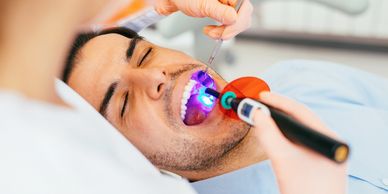
Dental sealants are one of the most effective ways to prevent cavities—especially on the chewing surfaces of back teeth. These teeth (molars and premolars) naturally have deep grooves and pits where food and bacteria can easily collect, making them more vulnerable to decay.
Sealants provide a protective barrier that helps keep those areas clean and cavity-free
What Are Dental Sealants?
Dental sealants are thin, tooth-colored protective coatings applied to the chewing surfaces of back teeth. Once bonded to the enamel, they create a smooth surface that blocks bacteria and food particles from settling into deep grooves.
The procedure is:
- Quick
- Completely painless
- Non-invasive
- Completed in one visit
Organizations like the American Dental Association and the Centers for Disease Control and Prevention support the use of dental sealants as an effective preventive measure, especially for children and teens.
Studies show that sealants can reduce the risk of decay in molars by up to 80%.
Preventing cavities is always better than treating them. Sealants are:
- More affordable than fillings
- Faster and easier than restorative treatment
- A conservative way to protect natural tooth structure
By sealing out harmful bacteria before decay starts, we help you or your child maintain strong, healthy teeth for years to come.
Brushing your teeth
Brushing your teeth
Brushing your teeth

Brushing your teeth is the most important daily habit for maintaining excellent oral health. While professional cleanings and exams are essential, what you do at home every day has the biggest impact on preventing cavities, gum disease, and costly dental problems.
Consistent, proper brushing keeps your smile healthy, bright, and strong for life.
Every day, bacteria in your mouth form a sticky film called plaque. If plaque is not removed, it can:
- Cause cavities
- Lead to gum inflammation (gingivitis)
- Progress to periodontal disease
- Contribute to bad breath
- Harden into tartar that only a professional cleaning can remove
Brushing twice a day helps remove plaque before it causes damage and keeps your teeth and gums healthy.
The American Dental Association recommends brushing:
- At least twice per day
- For two full minutes each time
- Using fluoride toothpaste
Brushing before bed is especially important because it removes the buildup from the entire day and reduces bacterial activity overnight.
What Type of Toothbrush Is Recommended
We strongly recommend using a soft-bristle toothbrush. Soft bristles effectively clean teeth while being gentle on enamel and gum tissue.
Hard-bristle brushes can:
- Wear down enamel
- Cause gum recession
- Increase tooth sensitivity
Electric toothbrushes are an excellent option for many patients. They:
- Provide consistent brushing motion
- Remove more plaque in some cases
- Include built-in timers
- Help patients with limited dexterity
They are especially beneficial for children, orthodontic patients, and adults who struggle with manual brushing technique
To brush effectively:
- Hold the brush at a 45-degree angle toward the gumline
- Use gentle, circular motions
- Brush all surfaces: front, back, and chewing surfaces
- Don’t forget your tongue
- Replace your toothbrush every 3–4 months (or sooner if bristles are frayed)
Brushing harder does not mean brushing better—gentle, thorough technique is key.
Brushing your teeth is a simple daily routine—but its impact is lifelong. Combined with regular professional cleanings and exams, proper brushing is your best defense against dental disease.
If you have questions about your brushing technique or would like recommendations on the best toothbrush for your needs, our team is happy to guide you at your next visit. Your smile deserves the best care—every single day.
Flossing
Brushing your teeth
Brushing your teeth

Brushing your teeth is essential—but brushing alone cleans only about 60% of your tooth surfaces. The remaining 40% lies between your teeth, where food particles and plaque easily accumulate. That’s where flossing becomes critical.
Daily flossing is one of the most important habits for maintaining healthy teeth and gums.
Plaque tends to build up between teeth and along the gumline—areas your toothbrush cannot fully reach. If not removed, this plaque can:
- Lead to cavities between teeth
- Cause gum inflammation (gingivitis)
- Progress to periodontal (gum) disease
- Contribute to bad breath
- Harden into tartar that requires professional cleaning
The American Dental Association recommends flossing at least once per day to remove plaque and debris from these hard-to-reach areas.
Consistent flossing helps:
- Prevent cavities between teeth
- Reduce bleeding and inflamed gums
- Lower your risk of gum disease
- Support long-term tooth stability
- Promote fresher breath
- Improve overall oral health
Flossing is especially important for patients with tight spaces between teeth, dental restorations, or orthodontic appliances
Healthy gums do not bleed easily. If your gums bleed when you floss, it is often a sign of inflammation caused by plaque buildup—not a reason to stop flossing.
With consistent daily flossing, bleeding and tenderness typically improve within a short period as the gums become healthier.
To floss effectively:
- Use about 18 inches of floss.
- Gently slide it between teeth.
- Curve the floss into a “C” shape around each tooth.
- Move it up and down beneath the gumline.
- Use a clean section of floss for each tooth.
If traditional floss is difficult to use, floss picks, water flossers, or interdental brushes may be good alternatives. We can recommend the best option for your specific needs.
If you have questions about proper flossing technique or the best tools to use, our team is happy to help. Your healthiest smile starts with consistent daily care.