How Does a Dentist Use Laser Dentistry for Dental Cleaning?
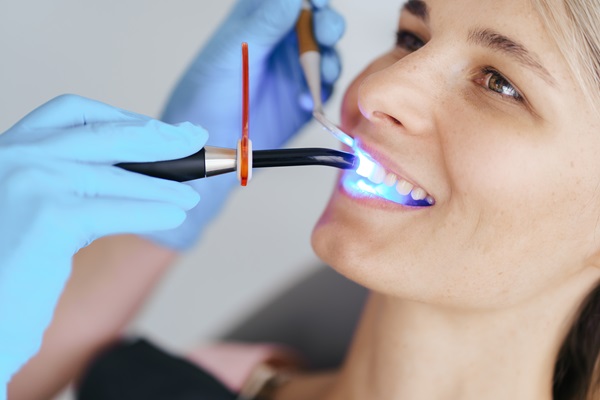
Laser dentistry is a relatively young concept that can target diseased soft tissue and improve the health of gums, jawbone, and more. Dental lasers are approved by the Food and Drug Administration (FDA), and the risks of the procedure are minimal. Subsequently, dentists often recommend laser dentistry for deep dental cleaning procedures.
Laser dentistry and dental cleaning
A routine dental cleaning removes plaque and tartar build-up along the gum line and on the surface of teeth. A deep dental cleaning actually cleans below the gum line. Traditional methods of deep dental cleaning can cause discomfort, and laser dentistry offers a way to minimize the pain and recovery time for a deep dental cleaning procedure.
What is laser dentistry?
Laser dentistry is an alternative method of dental treatment that uses highly focused light energy beams to remove or reshape tissue, bone, and more. Laser dentistry is a safe and effective alternative for patients that do not like the sound and feel of dental drills and other instruments.
How is laser dentistry used for dental cleaning?
As mentioned, laser dentistry is used for deep dental cleaning more than it is used for regular dental cleanings. During the procedure, the dentist uses dental lasers to target and remove plaque and tartar build-up along and beneath the gum line. This is done without harming any healthy gum tissue and without causing the gums to separate from the teeth.
Laser dentistry vs. traditional methods
Laser dentistry for dental cleanings does not require the use of any dental tools other than the FDA-approved dental lasers. This means there is no need for the more invasive dental tools often used with traditional methods, such as dental drills. This procedure also does not cause much, if any, discomfort, whereas traditional methods are much more likely to cause swelling, pain, and bleeding.
Is laser dentistry safe?
As mentioned, the use of laser dentistry for dental cleanings is approved by the FDA. Dentists also go through extensive training to help ensure the optimal safety and effectiveness of the procedure. Subsequently, the risks of deep dental cleaning with laser dentistry are minor, and most patients do not experience any adverse effects. In fact, the opposite is often true. Many patients report less discomfort and faster healing times with laser dentistry.
How to keep teeth and gums clean after your cleaning
Patients can protect their teeth and gums by brushing and flossing regularly after a dental cleaning. Regular visits to the dentist for routine cleaning are also highly encouraged, along with making smart dietary choices, such as avoiding foods and drinks that are high in sugar and other carbohydrates.
Schedule a visit for a laser dentistry dental cleaning
If you still have questions about laser dentistry or would like to schedule a visit for a dental cleaning either with lasers or through traditional methods, then reach out to our dental practice today. We are glad to answer your questions and help you decide on the best treatment option for you.
Request an appointment here: https://hugocoronado.com or call Hugo Coronado DDS, Inc at (559) 703-2003 for an appointment in our Fresno office.
Check out what others are saying about our dental services on Yelp: Laser Dentistry in Fresno, CA.
Related Posts
Traditional braces are one of the most effective orthodontic solutions for straightening teeth and correcting bite issues. Many individuals are surprised to learn that receiving traditional braces from a general dentist can be a convenient and effective way to improve their smile. General dentists with additional training in orthodontics can provide comprehensive care, guiding patients…
A dental practice quickly treats gum disease, but it first requires identifying the condition. It might make itself known when the gums bleed when flossing or brushing the teeth. The gums could become tender, red, or swollen. Knowing the answers to these frequent questions allows patients to make better oral health decisions.Early gum disease is…
Each dental practice has its specializations when it comes to oral care. Even so, they have one thing in common. Dental practices provide valuable brushing and flossing tips. The aim of doing so is to guide patients as they go about their personal oral hygiene practices.Plaque transforms into tartar in 24-36 hours. When it comes…
While most people visit a dental practice every six months, others only go on occasion or not at all. For those individuals, the thought of seeing a dentist causes a lot of anxiety. Hopefully, the information provided about how a dentist treats a cavity will answer questions and put them at ease. These people will…